The firm says this is particularly noteworthy given ongoing inflationary pressures and the gradual recovery in consumer spending.
In H1 2025, both the Hungarian economy as a whole and the real estate investment market showed signs of slowing. According to data from the Central Statistical Office (KSH), the decline in the number of housing completions continued, and the figures for building permits only partially offset this trend. In»contrast, players in the logistics, office, hotel, and retail park sectors remain cautiously optimistic.
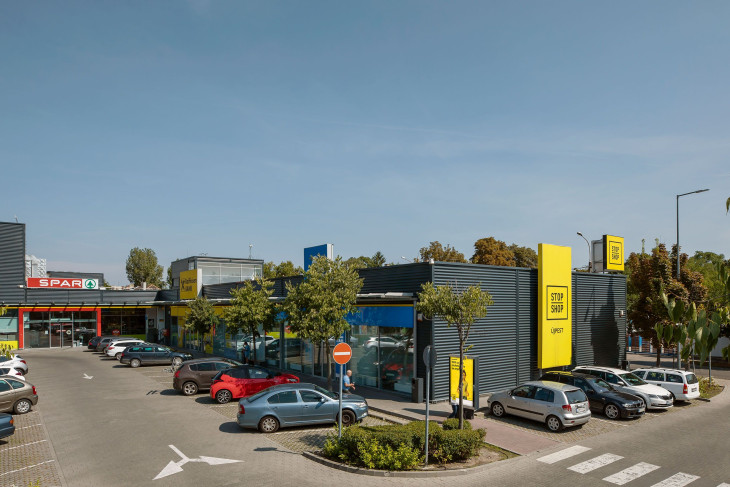
CPI’s portfolio includes Pólus, Campona, Europeum, 14 Hungarian Stop Shops, and two CityMarkets, which together welcome around 65 million visitors annually. In the first half of 2025, CPI’s retail parks achieved nearly 100% occupancy, with almost no vacant units across their 16 properties.
“At the moment, we have three units awaiting new tenants, but agreements have already been finalized so that they won’t stay empty for long. Whenever a tenant change was necessary, we always found one that fitted even better into the tenant mix than the previous one,” says Balázs Sipos, senior retail asset manager at CPI.
“Despite inflation, we did not lose tenants in our open-air shopping centers. Thanks to our reliable, high-quality service offering and attractive business terms, we can retain our tenants for many years, sometimes decades. As a result, our international tenant base is built on the stores that helped establish the reputation of the Stop Shop brand,” he adds.
 Continuous Innovation
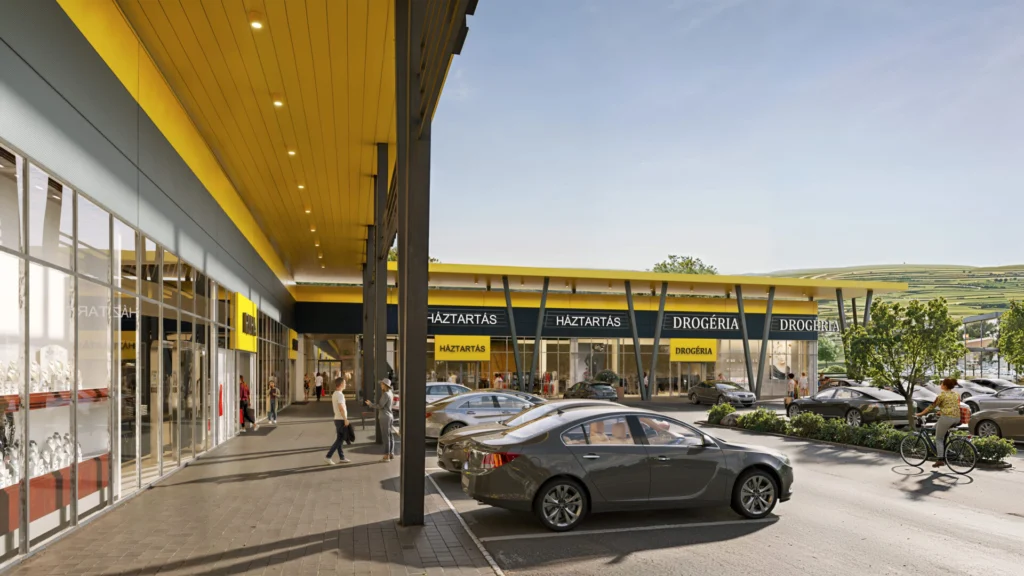
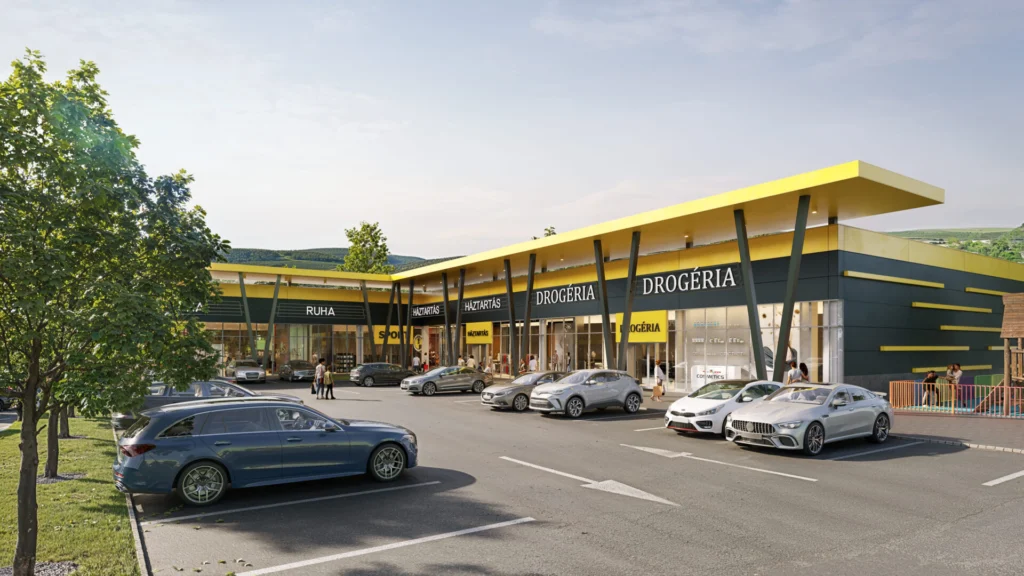
The Hungarian Stop Shop network alone features nearly 70 brands. Key features of these “street mall” concepts include easy accessibility by car, public transport, bicycle, or on foot; clear, barrier-free layouts; short shopping times; responsiveness to local consumer habits; and continuous innovation.
The strip malls are typically U- or L-shaped; visitors arriving by car can park for free, and several electric vehicle chargers have been installed. The shop entrances connect directly to the parking areas, eliminating the need for escalators. The stores are open every day, offering a product range comparable to that of shopping centers.
CPI’s retail parks maintain their high standards through continuous upgrades, including pipeline replacements, roof and terrace renovations, and innovative solutions like a paperless parking system that simplifies entry and exit through automatic license plate recognition. In addition to these improvements, the ongoing maintenance of existing units ensures tenant satisfaction and an enhanced visitor experience.
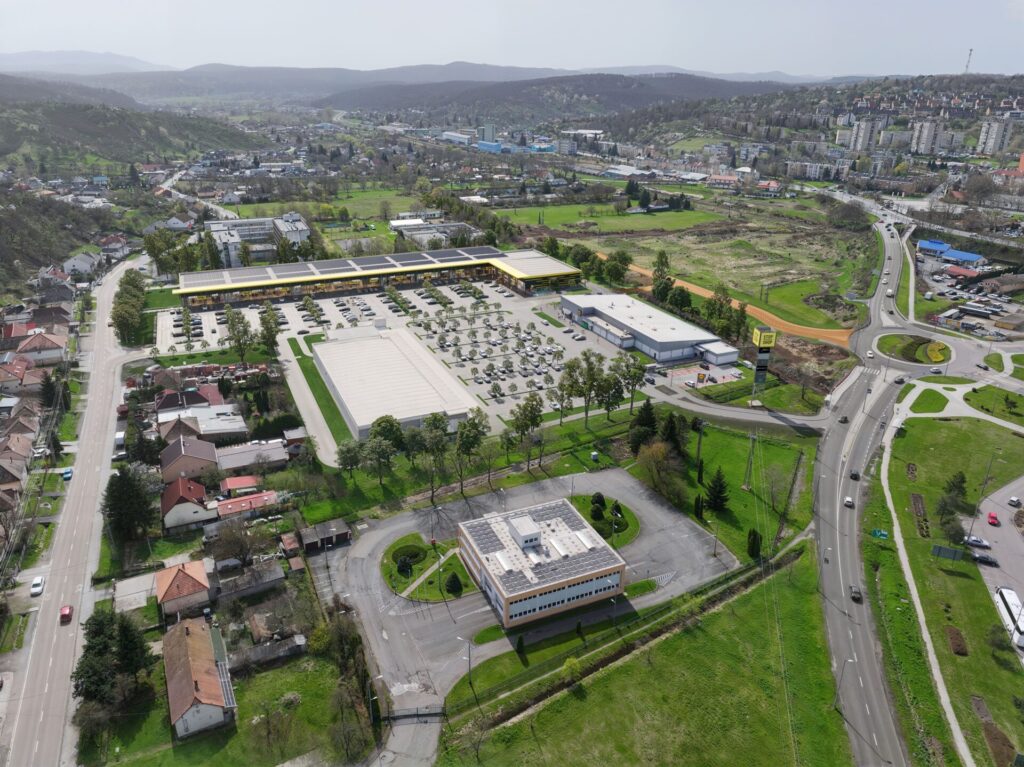
A new Stop Shop will soon open in Salgótarján, featuring 12 retail units, 361 parking spaces, and a playground. The opening is expected in the first quarter of 2027. This new addition will further strengthen CPI’s presence in the Central and Eastern European region and expand quality shopping opportunities for the local community.
CPI says its example clearly demonstrates that tenant stability, convenience services, and continuous development are the cornerstones of long-term success in the Hungarian retail market. Even in a fluctuating economic environment, well-managed retail parks with strong occupancy rates and innovative services continue to deliver revenue growth and reinforce investor confidence.
 This article was first published in the Budapest Business Journal print issue of October 17, 2025.


.jpg)