.jpg)

Geopolitical Environment and the Real Estate Market
According to Mátyás Gereben, global geopolitical tensions—such as potential U.S. sanctions—have a destabilizing effect on the macroeconomy, and Hungary is no exception. While these factors do not directly impact rents or yields, the uncertain macro environment makes capital market participants cautious, leading them to postpone investments to avoid unpredictable risks. This also slows tenant demand, as companies are careful about long-term commitments.
Successful Sectors and Challenges in 2025
Within CPI’s portfolio, the hotel sector delivered outstanding performance last year, and Gereben expects growth to continue this year. Two hotel renovations are currently underway:
The 54-room, four-star Mamaison Hotel Chain Bridge, opening in early summer.
The adjacent 99-room, four-star Mamaison Vibe Hotel Budapest Downtown, scheduled for completion in November.
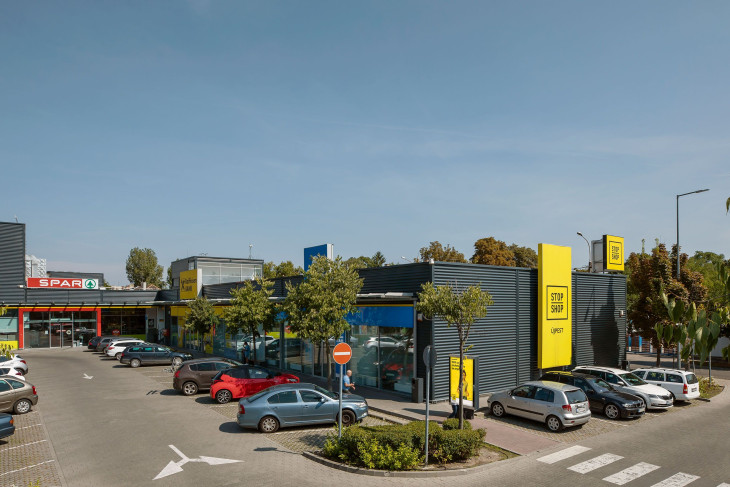
Retail parks are also expanding: the portfolio of 14 Stop Shop and 2 City Market properties operates at 100% occupancy with continuous tenant demand.
In contrast, leasing for shopping malls and office buildings may face challenges in 2025. Gereben emphasizes that the key to success is partnership with tenants, flexibility, a people-centric approach, and community building.
Development Models in Hungary
The development strategy depends on the type of property:
For retail parks, speculative development is still possible if a significant pre-leasing rate can be secured.
In the office market, financing requires either built-to-suit (BTS) projects or at least 70% pre-leasing.
Bank Financing Situation
Refinancing of operating assets is available, with a bank margin of around 2.5%. However, obtaining development loans is more difficult: banks scrutinize projects strictly, and terms must align with the business plan. Alternatives include equity-based development or obtaining a construction loan upon project completion, which adds extra burden to the developer.
ESG and Sustainability
Gereben notes that sustainability certifications are increasingly important for financing, especially in the office and logistics sectors. In retail properties, however, ESG has less influence on tenant decisions.
Renovation and repurposing of existing buildings are beneficial both environmentally and for urban development, and CPI actively supports revitalization projects.
Urban Development Challenges in Budapest
Mátyás points out that the city lacks a car-free downtown, development along the Danube, and small central urban hubs in the suburbs, which could strengthen local communities and businesses.
The Social Perception of the Real Estate Market
Real estate players must adapt to new demands: the classic roles of developer, investor, or operator are no longer sufficient. The key to success is becoming an integrated service provider, responding to changing needs in partnership with tenants, and offering flexible, community-focused solutions.