
Retaining talent has become one of the biggest challenges for companies—especially in today’s fast-changing economic and social environment. Employees no longer make decisions based solely on salary and position; they are looking for experiences, flexibility, and a genuine sense of shared values. But how does a company respond when it offers not just offices, but a new kind of work culture?
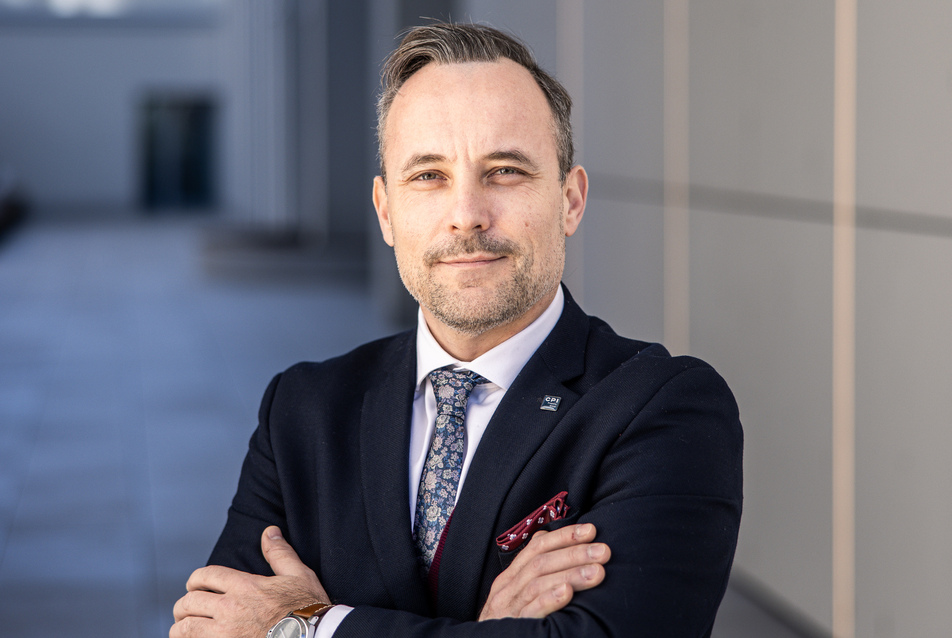
We spoke with Mónika Vincze, HR Director at CPI Hungary, about how the company approaches employee experience, talent retention, and wellbeing across its office portfolio.
Q: What does this challenge mean for CPI Hungary from an HR perspective?
Vincze: Employee turnover represents a serious risk for companies—not just because of the costs of replacing staff, but also due to knowledge loss and disruption of team dynamics. At CPI, this issue is doubly important: first, for our own team, and second, because as a landlord we understand the pressures our tenants face from an HR perspective.
Our colleagues aim to create an environment and service-oriented approach that helps them retain talent in the long term. Today, a good salary is no longer enough—companies need to offer experiences, flexibility, and meaningful support.
Q: What does “employee experience” mean at CPI?
Vincze: We don’t think of it as individual “perks,” but as a complete experience package. The goal is that every element of the workday—office space, daily routines, and community interactions—supports the individual. This philosophy is embedded in our CPI Club program for tenants as well. Employees and tenant staff alike become part of a network where they can not only work, but move, recharge, and connect. This experience-driven approach—from yoga classes to community events—strengthens loyalty, engagement, and mental wellbeing.
Q: Younger generations increasingly value flexible and hybrid work. How does CPI adapt?
Vincze: Flexibility is no longer a competitive advantage; it’s a minimum expectation. One of CPI Club’s key features is providing access across more than 20 office buildings in Budapest. Employees can work wherever needed—whether it’s for a meeting, a workout, or just a calm day. This freedom of movement clearly supports work-life balance, which is also critical from an HR perspective.
Q: What concrete benefits and support do you provide to enhance employee wellbeing?
Vincze: We integrate wellbeing on multiple levels. For our own employees, we offer sports options, programs supporting both physical and mental health, social activities, and regular development opportunities including team-building events. These are not just HR tools; they are part of our corporate culture.
We also extend similar services to tenant communities—community events, wellness days, and movement programs—which support mental and physical health without requiring direct investment from the tenant companies. This allows companies to support their employees’ wellbeing in a tax-efficient way. Community programs—workshops, cocktail evenings, local markets—also ensure the workplace provides social experiences, not just tasks.
Q: What is the biggest HR lesson from recent economic and market changes?
Vincze: Employees are no longer just looking for a job—they are looking for quality of life. Inflation, economic pressure, and digitalization have made employees much more deliberate in choosing workplaces. The question is no longer “Where is the office?” but “What does it give me?” If we don’t provide that, we risk losing our talent. CPI Hungary therefore offers not just office space, but a new kind of work culture, one centered around people.
Q: CPI Hungary often says that “real estate is a strategic tool.” What does that mean from an HR perspective?
Vincze: The workplace shapes employee experience, efficiency, and loyalty. An inspiring, comfortable, and well-functioning office ecosystem is more than aesthetics—it’s part of employer branding. Working in sustainable, energy-efficient, and well-maintained spaces sends a clear message: we value our employees and plan for the long term.
Q: What would you advise other HR leaders struggling with retention?
Vincze: Rethink the concept of the workplace. Don’t just see it as an office, but as a community-oriented, supportive, and flexible environment that adds daily value for employees. This approach can be challenging to implement in rented office spaces—balancing external partner visits with in-house yoga classes, for instance—but with the right mindset, our model makes HR work easier. We provide solutions that meet employee needs so HR teams don’t have to build them from scratch. Also, measure and monitor employee feedback. At CPI Hungary, we regularly solicit feedback from our own teams, tenants, and their employees, which we then incorporate into our operations.
Q: In summary, why do employees stay long-term in a CPI environment?
Vincze: Because they feel they matter. They are part of a network where they have freedom, support, and community—which today means more than anything. For employees, it’s important to have a say, to feel valued, and to work in an environment that supports their daily lives. From the tenant side, it’s the same: they don’t just receive office space, they gain a reliable partner helping make their company an attractive and human-centered workplace. And today, that is a decisive factor for long-term success.
If you would like to read the rest of the article, you can find it at the following link:

.jpg)